Revolutionizing the Digital Landscape: The Rise of Distributed Applications in the Era of DePIN and CocoCat
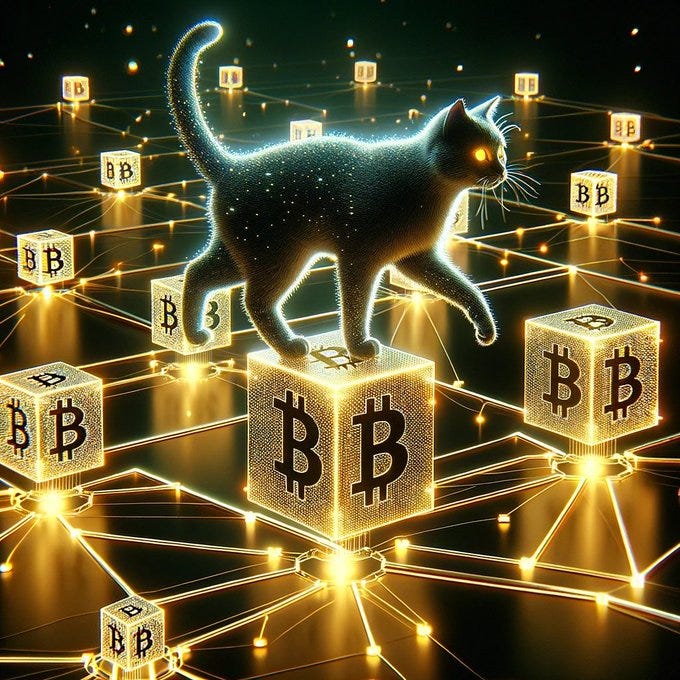
The digital world is evolving at an unprecedented pace, and at the heart of this transformation lies the concept of distributed applications (dApps). These applications, powered by blockchain technology and decentralized networks, are redefining how we interact with the digital space, offering a more secure, transparent, and efficient alternative to traditional centralized systems. As we delve into the intricacies of distributed applications, it’s essential to understand the role of emerging technologies like DePIN (Decentralized Physical Infrastructure Networks) and innovative platforms like CocoCat in driving this paradigm shift.
Distributed applications operate on a decentralized network of nodes, eliminating the need for a central authority or server. Unlike traditional applications, which rely on a central server to process and store data, dApps leverage blockchain technology to ensure that all transactions and interactions are transparent, immutable, and secure. This decentralization not only enhances security but also mitigates the risks associated with single points of failure, making dApps more resilient to attacks and system failures.
The concept of decentralization extends beyond the digital realm, thanks to DePIN. DePIN represents a significant leap forward by integrating physical infrastructure with decentralized networks. By decentralizing the control and management of physical infrastructure — such as communication networks, power grids, and transportation systems — DePIN ensures that these essential services are more resilient, efficient, and secure. This fusion of digital and physical decentralization is poised to reshape industries, enabling a new era of innovation and connectivity.
CocoCat, a pioneering platform in the world of Web3, exemplifies the potential of distributed applications and DePIN. CocoCat’s approach to decentralized communication and digital asset management offers a glimpse into the future of dApps. By combining advanced encryption techniques, serverless architecture, and a focus on user privacy, CocoCat provides a secure and efficient platform for users to interact, transact, and manage their digital assets without relying on centralized entities.
One of the most compelling aspects of distributed applications is their potential to empower individuals and communities. In traditional centralized systems, control over data and digital assets is often concentrated in the hands of a few powerful entities. This centralization can lead to issues such as data breaches, censorship, and a lack of transparency. Distributed applications, on the other hand, return control to the users, allowing them to own and manage their data and assets directly. This shift towards user empowerment is a fundamental principle of Web3, the next generation of the internet, where dApps are expected to play a central role.

The integration of DePIN with distributed applications opens up new possibilities for innovation. For instance, consider the potential impact on the energy sector. Traditional power grids are highly centralized, making them vulnerable to outages, cyberattacks, and inefficiencies. By decentralizing energy production and distribution through DePIN, we can create a more resilient and sustainable energy network. Distributed applications can facilitate peer-to-peer energy trading, where users can buy and sell excess energy directly with each other, reducing reliance on centralized utilities and promoting renewable energy adoption.
CocoCat’s contribution to the development of distributed applications is particularly noteworthy in the context of social networking and communication. In today’s digital age, social media platforms have become the primary means of communication for billions of people. However, these platforms are often centralized, leading to concerns about privacy, data security, and censorship. CocoCat addresses these issues by providing a decentralized communication platform that leverages the power of distributed applications. With end-to-end encryption, serverless architecture, and decentralized identity management, CocoCat ensures that users can communicate securely and privately, without fear of surveillance or censorship.
The rise of distributed applications also has profound implications for digital asset management. In traditional financial systems, assets such as money, stocks, and real estate are managed by centralized institutions, which can lead to inefficiencies, high fees, and limited access. Distributed applications enable the creation and management of digital assets on the blockchain, where ownership and transactions are recorded in a transparent and immutable manner. This decentralization of asset management has the potential to democratize access to financial services, enabling individuals from all over the world to participate in the global economy without relying on traditional financial institutions.
CocoCat’s platform exemplifies the potential of distributed applications in digital asset management. By integrating wallet functionality, NFT support, and cryptocurrency transactions, CocoCat allows users to manage their digital assets seamlessly within a decentralized environment. Whether it’s sending cryptocurrency, trading NFTs, or participating in decentralized finance (DeFi) protocols, CocoCat provides a secure and user-friendly platform that empowers individuals to take control of their digital assets.
As distributed applications continue to gain traction, it’s clear that they are not just a technological innovation but a fundamental shift in how we think about and interact with the digital world. The combination of blockchain technology, DePIN, and platforms like CocoCat is paving the way for a new era of decentralization, where individuals have greater control over their data, assets, and digital interactions. This shift towards decentralization is not just about technology — it’s about creating a more equitable, transparent, and resilient digital future.
In conclusion, the rise of distributed applications, fueled by the integration of DePIN and platforms like CocoCat, represents a transformative moment in the evolution of the digital landscape. As we move towards a more decentralized and interconnected world, distributed applications will play a crucial role in shaping the future of communication, digital asset management, and physical infrastructure. The potential of this technology is vast, and as more people and industries embrace the power of decentralization, we can expect to see a profound impact on every aspect of our lives. The future is decentralized, and distributed applications are leading the way.


Comments
Post a Comment