CocoCat and the New Digital Frontier: Integrating Blockchain, DePIN, and Web3.0 for a Decentralized Future
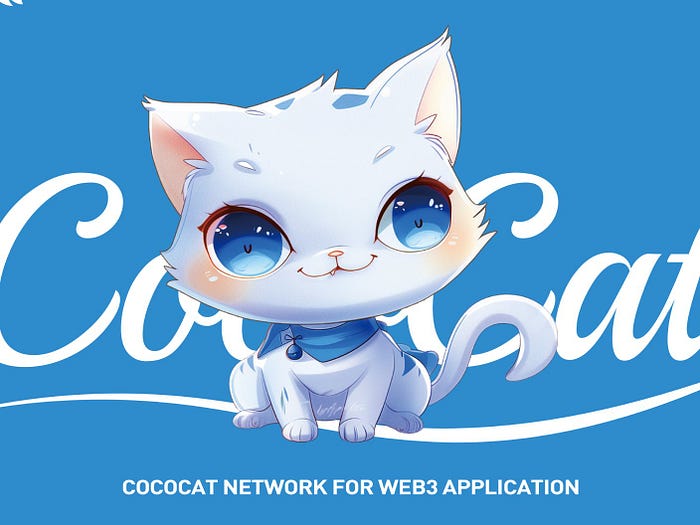
The digital world is evolving rapidly, with concepts like blockchain, Web3.0, and decentralized finance (DeFi) transforming how users interact with digital assets and online services. In this landscape, platforms like CocoCat are redefining what it means to communicate and transact in a decentralized ecosystem. CocoCat integrates Decentralized Physical Infrastructure Networks (DePIN) to create a secure and private communication network that aligns with the core values of Web3.0. By embracing innovations like smart contracts, non-fungible tokens (NFTs), and decentralized autonomous organizations (DAOs), CocoCat is paving the way for a more open and user-controlled digital world.
Blockchain: The Backbone of CocoCat’s Secure Network
Blockchain technology is at the heart of CocoCat’s operations, providing the immutable, decentralized ledger that underpins the platform. Unlike traditional centralized databases, blockchain ensures that data remains secure and tamper-proof by recording transactions across a distributed network. This makes blockchain the ideal foundation for building a decentralized communication platform like CocoCat, where data privacy and security are paramount.
By leveraging blockchain, CocoCat ensures that every interaction, whether it’s a message, transaction, or asset exchange, is securely recorded. This transparency builds trust among users, knowing that their data is secure and verifiable. It also enables CocoCat to integrate seamlessly with other decentralized applications (DApps) and digital services within the Web3.0 ecosystem.
Smart Contracts: Automating Secure Interactions
Smart contracts are self-executing programs that run on blockchain networks, automating processes like payments, asset transfers, and legal agreements without the need for intermediaries. CocoCat integrates smart contracts to facilitate secure and efficient transactions within its platform. For example, users can send and receive cryptocurrency payments directly through CocoCat’s messaging system, knowing that the terms are encoded and enforced by smart contracts.
Smart contracts enable users to engage in trustless interactions, making CocoCat an ideal choice for those who value transparency and security in their online transactions. This feature aligns with the broader trend of decentralized finance (DeFi), where financial services are automated and accessible to anyone with a blockchain wallet.
Decentralization: A Core Principle of CocoCat
Decentralization is the cornerstone of Web3.0, shifting control from centralized entities to individual users. CocoCat embraces decentralization by using DePIN to distribute its network across multiple nodes. This ensures that user data is not stored in a single location, reducing the risk of data breaches and making the platform more resilient to censorship.
For CocoCat users, decentralization means greater control over their communication and data. It allows them to interact without fear of surveillance or third-party interference, making CocoCat a preferred platform for privacy-conscious users. This approach reflects the broader ethos of Web3.0, where user autonomy and data ownership are prioritized.
Cryptocurrency: The Fuel of Decentralized Economies
Cryptocurrencies like Bitcoin and Ethereum are integral to the Web3.0 ecosystem, providing a means of exchange that is free from traditional banking systems. CocoCat integrates cryptocurrency directly into its platform, allowing users to send and receive digital assets seamlessly through its chat interface. This functionality makes CocoCat not only a communication tool but also a gateway to the broader world of decentralized finance.
By supporting various cryptocurrencies, CocoCat enables cross-border payments and microtransactions without the need for intermediaries. This feature is especially valuable for users engaged in the DeFi space, as it allows them to move assets quickly and securely while maintaining full control over their funds.
Non-Fungible Tokens (NFTs): Bringing Digital Ownership to Life
Non-fungible tokens (NFTs) represent unique digital assets that can be owned, traded, and displayed on the blockchain. CocoCat integrates NFT support into its platform, allowing users to showcase their digital art, collectibles, or other unique assets directly within their profiles. This feature adds a layer of personalization to the CocoCat experience, enabling users to express themselves through their digital collections.
NFTs have become a key element in the development of the Metaverse — a virtual world where users can interact, create, and own digital assets. By supporting NFTs, CocoCat positions itself as a bridge between social communication and the Metaverse, offering users a platform where they can manage and display their digital identities in a secure and decentralized manner.
Decentralized Finance (DeFi): Expanding Financial Opportunities
DeFi is transforming the financial industry by providing services like lending, borrowing, and trading through decentralized platforms. CocoCat integrates with DeFi protocols, allowing users to access these services directly within its messaging platform. This means that users can manage their DeFi portfolios, stake tokens, and earn interest without leaving the CocoCat app.
This integration makes CocoCat a comprehensive tool for users who are active in the Web3.0 and DeFi spaces, offering them the ability to manage both their communication and financial activities in one place. It also underscores CocoCat’s commitment to providing a user-centric platform that aligns with the principles of decentralization.

Web3.0: The Next Evolution of the Internet
Web3.0 is the vision of a decentralized internet where users have more control over their data and interactions. CocoCat embodies the principles of Web3.0 by offering a platform that prioritizes privacy, security, and user autonomy. Unlike traditional Web2.0 platforms, which rely on centralized servers and data collection, CocoCat allows users to retain ownership of their data through encryption and decentralized storage.
By providing a user-friendly gateway to the decentralized internet, CocoCat helps users transition from the centralized platforms of today to the user-driven world of Web3.0. This shift is essential as more individuals seek alternatives to the data-driven models that dominate the current internet.
The Metaverse: A New Dimension of Digital Interaction
The Metaverse is a fully immersive digital environment where users can interact, create, and own virtual assets. It represents the convergence of virtual reality, blockchain, and social interaction. CocoCat plays a critical role in this emerging space by providing a secure communication layer that users can trust while navigating the Metaverse.
With support for NFTs and digital identities, CocoCat enables users to bring their unique digital assets into virtual worlds, participate in community events, and build meaningful connections. This integration positions CocoCat as a key player in the Metaverse, offering a secure platform for social and financial interactions.
Decentralized Autonomous Organizations (DAOs): Community-Led Governance
DAOs are organizations governed by smart contracts, allowing members to vote on decisions and manage shared assets without a central authority. CocoCat can integrate DAO frameworks to allow its community to participate in decision-making processes, such as platform updates, content moderation, and feature development.
This community-driven approach aligns with the decentralized ethos of Web3.0, ensuring that CocoCat evolves in ways that reflect the needs and desires of its users. It also provides a transparent method for managing resources, making CocoCat a model for how platforms can embrace decentralized governance.
Tokenomics: Incentivizing Engagement and Growth
Tokenomics refers to the economic design behind a blockchain-based platform, focusing on how tokens are distributed, used, and managed. CocoCat employs tokenomics to reward users for their engagement, such as staking tokens or participating in governance. This incentivizes users to contribute to the platform’s growth and security.
Effective tokenomics ensures that the CocoCat ecosystem remains vibrant and sustainable, with users having a direct stake in the platform’s success. This aligns with the principles of Web3.0, where economic models are designed to benefit the entire community rather than just centralized stakeholders.
Digital Identity and Data Privacy: Protecting User Autonomy
Digital identity and data privacy are critical aspects of the decentralized internet. Unlike traditional platforms where user data is controlled by a single entity, Web3.0 allows individuals to manage their digital identities through cryptographic keys. CocoCat provides users with control over their identities, enabling secure interactions without exposing personal information.
This focus on data privacy is particularly important in an age where data breaches are common. By prioritizing user autonomy and cryptographic security, CocoCat ensures that users can communicate and transact without compromising their privacy.
Cryptography: Securing the Decentralized Web
Cryptography is the foundation of blockchain security, ensuring that data remains encrypted and transactions are secure. CocoCat utilizes advanced cryptographic methods to protect user communications and transactions, ensuring that messages remain private and data integrity is maintained.
By leveraging cryptography, CocoCat provides a secure environment for users to interact, aligning with the broader goal of building a decentralized, trustless internet.
On-chain Governance: Empowering User Decisions
On-chain governance allows users to participate directly in the decision-making processes of blockchain networks. By using tokens to vote on proposals, users can shape the future of the platforms they support. CocoCat could implement on-chain governance to give users a voice in platform updates and new feature development, ensuring that the community drives the platform’s evolution.
Distributed Ledger Technology (DLT): The Foundation of Trust
Distributed Ledger Technology (DLT) underpins blockchain’s ability to provide transparency and security. By recording transactions across a network of nodes, DLT ensures that data is accurate and resistant to tampering. CocoCat’s use of DLT ensures that every interaction is verifiable and secure, making it a trusted platform for users looking for a secure communication environment.
Conclusion: CocoCat’s Role in the Decentralized Revolution
CocoCat is at the forefront of the shift towards a decentralized internet, integrating key Web3.0 technologies such as blockchain, smart contracts, and DePIN. By focusing on user privacy, tokenomics, and secure communication, CocoCat offers a platform that aligns with the values of the
Twitter:https://twitter.com/CocoCat_Web3
Telegram:https://t.me/CocoCatCommunity


Comments
Post a Comment